Vincent Sanders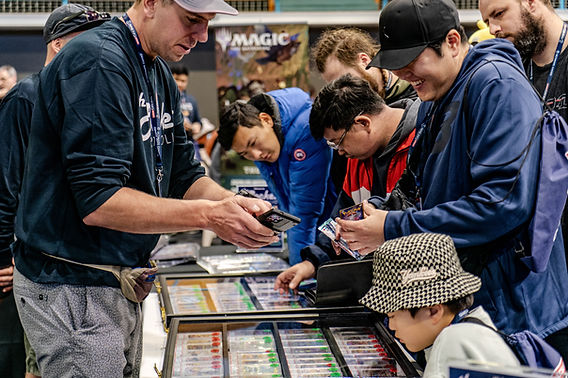

Interest in trading card events has seen consistent growth, especially among users searching for “card shows near me.” These events have become a key part of the collectibles ecosystem, bringing together sports enthusiasts, hobby collectors, and casual buyers in a shared marketplace environment that continues to expand across regions.
The growing popularity of card shows can be linked to increased participation in sports memorabilia collecting and trading card games. Market observations suggest that attendance at local events has increased steadily, with many shows reporting strong engagement from both first-time visitors and experienced collectors. This rise is largely driven by the appeal of physical inspection, immediate trading opportunities, and access to rare or limited-edition items.
A common question among new collectors is what actually happens at a card show. In simple terms, these events function as organized gatherings where vendors and collectors meet in person to buy, sell, and trade collectible cards. The environment is highly interactive, allowing participants to evaluate condition, authenticity, and value in real time. This direct interaction creates a level of trust and transparency that is often missing in purely digital marketplaces.
Another frequently observed curiosity is why these events are gaining attention despite the growth of online platforms. Data trends indicate that a significant portion of collectors still prefer in-person evaluation, especially for high-value items. The ability to physically examine centering, edges, and surface quality plays a major role in decision-making. Additionally, face-to-face negotiation often leads to more flexible pricing and unique trade arrangements that are not commonly found online.
The structure of modern card shows has also evolved considerably. Many events now include organized vendor sections, graded card displays, live auctions, and dedicated trading areas. Some larger events also integrate appraisal services, where collectors can receive immediate feedback on the estimated value of their items. This has enhanced the overall experience and increased trust among participants.
Another important insight is the diversity of attendees. Earlier, card shows were primarily attended by long-time collectors, but recent trends show a more balanced audience. Families, young collectors, and hobby enthusiasts are now regularly participating. This shift has helped transform card shows into community-centered events rather than niche gatherings. The inclusive nature of these events has contributed to their sustained popularity across different age groups.
From a statistical perspective, sports-related cards remain the most dominant category at these shows, followed closely by trading card games and entertainment-based collectibles. Within sports cards, baseball, basketball, and football items continue to attract the highest demand. However, emerging categories are steadily gaining traction, indicating a broadening interest in the overall collectibles market.
Accessibility is another factor contributing to the growth of card shows. Most events are hosted in convenient local venues such as hotels, exhibition centers, and community halls. This makes it easier for collectors to attend without extensive travel. Entry costs are typically minimal, encouraging repeat visits and higher community participation.
A key advantage of attending these shows is networking. Collectors often form long-term connections with vendors and fellow enthusiasts. These relationships can lead to better trading opportunities, early access to rare items, and shared knowledge about market trends. This social aspect is a significant driver behind the continued success of physical card events.
In conclusion, the increasing search interest in “card shows near me” reflects a strong and growing collectibles culture. These events offer a unique combination of commerce, community, and hands-on experience that digital platforms cannot fully replicate. With rising participation, expanding categories, and improved event organization, card shows continue to play an important role in shaping the modern collectibles landscape.